
The Story of Freemasonry: An Ancient Brotherhood
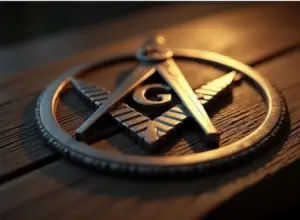
Freemasonry stands as one of the oldest and largest non-religious fraternal organizations in the world. It traces its origins back to the medieval stonemason guilds, where skilled craftsmen built great cathedrals and castles. Today, it brings together men of good character—and in some places, women—who share core values like integrity, friendship, respect, and service. Freemasons often use symbols such as the square and compasses to teach moral lessons and encourage personal growth.
Since its early days, Freemasonry has faced opposition, especially from organized religions like the Roman Catholic Church and from some governments. Despite common misconceptions, it is not a Christian institution. Instead, it promotes morality, charity, and respect for the law while requiring members to believe in a Supreme Being and the soul’s immortality. Traditionally, membership has been open to adult males, though modern branches—like the French Co-Freemasonry founded in the 19th century—also welcome women.
The structure of Freemasonry revolves around three main degrees: entered apprentice, fellow of the craft, and master mason. However, many lodges have additional layers of degrees, sometimes numbering in the hundreds, though these vary widely depending on the country and tradition.
Freemasonry’s influence can be seen through notable historical figures such as Wolfgang Amadeus Mozart and Montesquieu, who were associated with the fraternity. Beyond the core lodges, there are numerous appendant groups, especially in the United States, that focus on social and charitable activities. One famous example is the Shriners, known for their philanthropic work.
Women have their own lodges in some countries, and families of Freemasons often participate in related organizations like the Order of the Eastern Star for women and men, the Order of DeMolay for boys, and the Order of Job’s Daughters or the Order of the Rainbow for girls. In England, traditional Masons must avoid affiliating with these recreational or quasi-Masonic groups under threat of suspension.
Freemasonry remains a fascinating blend of tradition, symbolism, and community service, continuing its centuries-old mission to bring together individuals who strive to live by high moral standards and contribute positively to society.