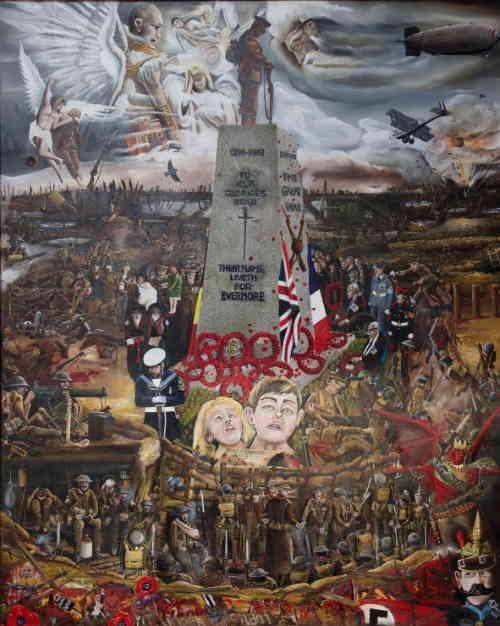
The Red Poppies Fall
The red poppies fall on this Armistice Day. Armistice Day.
100 years gone by, where old soldiers lay.
To commemorate the fallen, we sit quietly to pray.
Hear the faint sound of the bugle’s soft call.
On a blood-soaked battlefield, such young men did fall.
The war may be won, but the battle is still lost.
Humans paid with their lives and sacrificed all.
But at such deadly cost, with much greater loss.
Death and destruction are all that’s around.
Buildings and houses now lay on the ground.
Trenches are now empty with footprints still there.
For the shell-shocked and injured.
No words of war are spoken; it’s too hard to bear.
Mothers, wives, children, husbands, and sons
Carry battles scars so deep, never to be undone
Like barbed wire cuts skin, lives are so broken
What world is this now? What life will they know
When the clock strikes 11am, down our heads bow
To remember the fallen, the fighting and frail
These unsung true heroes will keep standing tall
Poppies keep falling, always leaving there mark
If you listen from a distance, you hear the call of the bugle
With tears in our eyes and hurt, we can’t hide
Pride in our hearts as we stand side by side
Each one affected in our own personal way
As the sun starts to fall, day is fading away
We owe them our lives for our freedom today
“We will remember them.”
©Poem by Mrs. Melanie Palliser

The poem “Red Poppies Fall” stands as a heartfelt tribute to those who lost their lives in British wars. It captures the deep respect and sorrow felt for the fallen soldiers, symbolized by the red poppies that famously grew across battlefields. These flowers have become a powerful emblem of remembrance, representing sacrifice and the cost of conflict.
Through its verses, the poem reflects on the bravery and pain experienced by countless individuals who served their country. It reminds readers of the human stories behind the history of war, honoring the memory of those who gave everything for peace and freedom.
In its tribute, “Red Poppies Fall” invites us to pause and remember the sacrifices made, ensuring that the fallen are never forgotten. It stands as a solemn reminder of the price of war and the enduring hope for a future without such loss.