
SECRET SOCIETIES
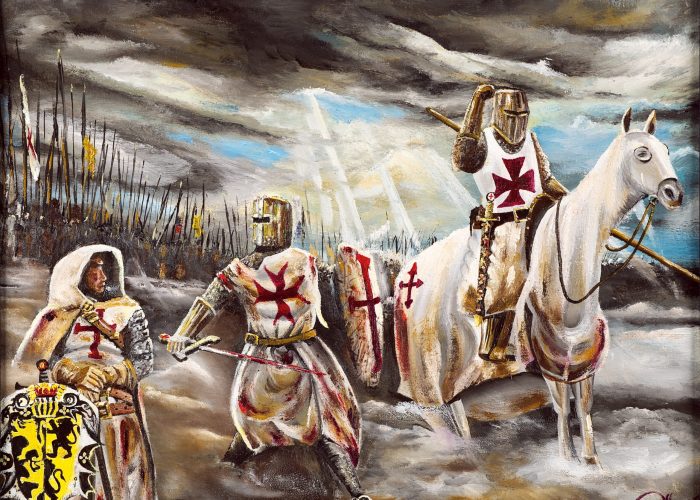
Secret societies like the Knights Templar, Freemasons, and Priory of Sion have long captured our imagination with their air of mystery and secrecy. These groups, ranging from ancient mystery cults to well-known fraternal orders like Freemasonry, keep their inner workings, members, and rituals closely guarded. They use special symbols, unique oaths, and ceremonies that are hidden from the outside world.
The Knights Templar
Knights Templar, officially known as the Poor Fellow-Soldiers of Christ and of the Temple of Solomon, were a powerful and mysterious order during the Middle Ages. Founded around 1129 and endorsed by the Catholic Church, they quickly grew in influence across Europe and the Holy Land. Recognizable by their white cloaks adorned with a red cross, the Templars were renowned as fierce warriors in the Crusades. But their role extended far beyond the battlefield.
Alongside their military duties, the Templars built a vast economic network. They innovated early banking systems and managed large estates and fortifications throughout Christendom, becoming trusted guardians of wealth and property. Their presence was felt from the Holy Land to England, where kings such as Henry II granted them lands and privileges, including the right to build notable round churches like the Temple Church in London, which became the heart of their operations and rituals.
However, the Templars’ fortunes were closely tied to the Crusades. When the Holy Land was lost, their support dwindled. Suspicion grew around their secretive initiation ceremonies, and rumors began to swirl. King Philip IV of France, deeply in debt to the Order and fascinated by tales of their hidden treasure, seized the moment. In 1307, many Templars in France were arrested, tortured into false confessions, and executed.
Under intense pressure from King Philip, Pope Clement V officially disbanded the Order in 1312. The sudden disappearance of such a powerful organization sparked countless legends and mysteries that have fascinated historians and storytellers ever since. Despite their tragic end, the Knights Templar left a lasting legacy in medieval history, blending faith, warfare, finance, and myth into one unforgettable story.
The Knights Templar
Knights Templar, officially known as the Poor Fellow-Soldiers of Christ and of the Temple of Solomon, were a powerful and mysterious order during the Middle Ages. Founded around 1129 and endorsed by the Catholic Church, they quickly grew in influence across Europe and the Holy Land. Recognizable by their white cloaks adorned with a red cross, the Templars were renowned as fierce warriors in the Crusades. But their role extended far beyond the battlefield.
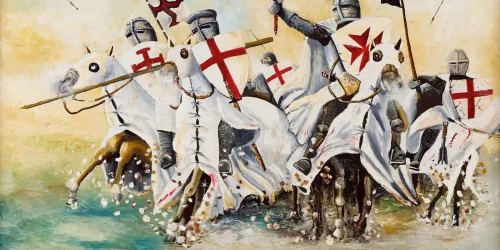
The Knights Templar, known officially as the Poor Fellow-Soldiers of Christ and of the Temple of Solomon, was a powerful and enigmatic order in the Middle Ages. Founded around 1129 with the support of the Catholic Church, they quickly became influential across Europe and the Holy Land. Easily recognized by their white cloaks marked with a red cross, the Templars earned a reputation as fierce warriors during the Crusades. Yet, their impact went far beyond fighting.
Besides their military role, the Templars built an extensive economic network. They pioneered early banking systems and managed vast estates and fortresses throughout Christendom. Their trusted stewardship of wealth earned them lands and privileges from rulers like King Henry II of England, who allowed them to construct iconic round churches, including the famous Temple Church in London, which served as a center for their activities and ceremonies.
However, their fate was closely tied to the Crusades. When the Holy Land was lost, their influence weakened. Suspicion grew around their secretive rituals, and rumors spread. King Philip IV of France, burdened by debt to the Order and intrigued by legends of their hidden riches, took advantage of the situation. In 1307, he ordered the arrest of many Templars in France, who were then tortured into false confessions and executed.
Under pressure from King Philip, Pope Clement V officially disbanded the Order in 1312. The sudden fall of such a powerful group ignited countless legends and mysteries that continue to captivate historians and storytellers. Despite their tragic end, the Knights Templar left a lasting mark on medieval history, blending faith, warfare, finance, and myth into a story that remains unforgettable.
Hidden Caves and Lasting Mysteries
After the fall of the Templar Order, whispers of secret meetings in England began to circulate. According to legend, some Templars gathered in hidden caves like Royston Cave, where mysterious carvings of knights and saints still remain. Though the persecution of the Templars in England was not as harsh as elsewhere, these stories of clandestine gatherings have captured the imagination of many.
The Templars also made their presence known in towns such as Baldock, which served as their English headquarters, and Rochester, where they built impressive halls and estates. Many of these historic sites have been preserved or carefully restored, offering a rare window into the medieval world the Templars once inhabited.
Today, these places stand as lasting reminders of the Templars’ influence in England, inviting visitors to explore the mysteries and legends that continue to surround them centuries later.
.
Legacy and Modern Connections
Several modern groups claim ties to the medieval Knights Templar, using their legacy to promote charitable and humanitarian causes. Some even seek recognition from the Vatican for the historical persecution the Templars endured. While much of the lore around secret societies, hidden treasures, and underground survival remains speculative, the fascination with the Knights Templar endures.
One of the Templars’ former strongholds, Kolossi Castle in Cyprus, stands as a testament to their historical presence. It was later taken over by the Knights Hospitaller and remains a popular site for visitors interested in Crusader history and medieval architecture.
Click on the website with useful information below