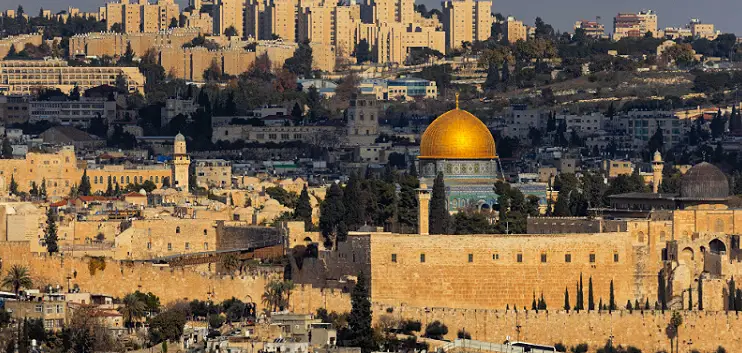
Before British rule, explorers like Charles Warren had already explored underground areas around the Temple Mount in the 1860s by using shafts and tunnels to investigate ancient remains. During the Mandate period (1917–1948), the official cover emphasis shifted to documenting and preserving these sites rather than conducting intrusive excavations due to the extreme political and religious sensitivities involved. This limitation is due to the temple’s status as the most holy site for Christians. Jews and Muslims
ROYAL ENGINEERS
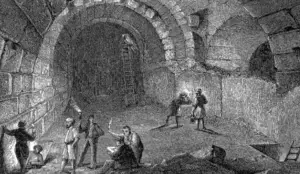
During my service as a sapper in the Royal Engineers, I had the rare opportunity to explore some of the archives. Among the documents I accessed were old, restricted papers related to the Temple Mount excavations. These ancient records sparked a deep curiosity in me, as they offered a glimpse into a world of history and mystery that few are allowed to see. The experience left a lasting impression, making me appreciate the weight of the discoveries hidden within those pages and the secrets that the Temple Mount still holds.The Royal Engineers worked underground in Jerusalem, but they did not disclose their major excavations directly beneath the Temple Mount. What stuck with me, however, were a few side notes in the documents mentioning discoveries of Knight Templar occupation, lead crucifixes, and pottery bones, including broken skulls and one elongated skull. The bones were small, and among the artifacts found was a metal pyramid with markings. Hidden beneath the temple and along its surrounding walls lies a vast network of secret tunnels and rooms. These underground passages have long fascinated explorers and historians alike, offering a glimpse into a mysterious world beneath the surface. Remarkably, extensive maps detailing these secure tunnels and chambers are available online, allowing curious minds to explore these hidden pathways from anywhere in the world. Whether for research, adventure, or sheer curiosity, these maps provide a unique window into the intricate and concealed architecture that lies beneath the temple’s ancient stones. Later excavations around the temple have been ongoing, revealing many ossuaries that shed light on the area’s ancient past. Among the most remarkable discoveries is a tomb and a “bone box” belonging to Joseph Caiaphas.
During the early first century in Jerusalem, a significant figure held the position of Jewish high priest from around 18 to 36 AD. This high priest played a crucial role in the religious and political life of the city. Among his most notable and controversial acts was his involvement in the plot that led to the execution of Jesus of Nazareth.
As the high priest, he was a central authority in the Jewish religious establishment and had considerable influence over the Sanhedrin, the council that judged Jesus. Concerned about the growing following and teachings of Jesus, which challenged established norms, the high priest saw him as a threat to both religious order and the delicate balance with Roman rulers.
This tension culminated in a carefully orchestrated plan to arrest Jesus, bring him to trial, and ultimately hand him over for crucifixion. The High Priest’s leadership in these events
The bone box had two nails believed to be from the crucifixion of Jesus Christ. This find offers a powerful connection to a pivotal moment in history, deepening our understanding of the people and events surrounding that era.
KNIGHTS TEMPLAR
At that time, I had no interest in the Knights Templar, but these intriguing details stayed in my mind.
Before British rule, explorers like Charles Warren had already explored underground areas around the Temple Mount in the 1860s by using shafts and tunnels to investigate ancient remains. During the Mandate period (1917–1948), the official cover emphasis shifted to documenting and preserving these sites rather than conducting intrusive excavations due to the extreme political and religious sensitivities involved. This limitation is due to the temple’s status as the most holy site for Christians. Jews and Muslims
ROYAL ENGINEERS
During my service as a sapper in the Royal Engineers, I had the rare opportunity to explore some of the archives. Among the documents I accessed were old, restricted papers related to the Temple Mount excavations. These ancient records sparked a deep curiosity in me, as they offered a glimpse into a world of history and mystery that few are allowed to see. The experience left a lasting impression, making me appreciate the weight of the discoveries hidden within those pages and the secrets that the Temple Mount still holds. The Royal Engineers worked underground in Jerusalem, but they did not disclose their major excavations directly beneath the Temple Mount. What stuck with me, however, were a few side notes in the documents mentioning discoveries of Knight Templar occupation, lead crucifixes, and pottery bones, including broken skulls and one elongated skull. The bones were small, and among the artifacts found was a metal pyramid with markings. Hidden beneath the temple and along its surrounding walls lies a vast network of secret tunnels and rooms.
The bone box had two nails believed to be from the crucifixion of Jesus Christ. This find offers a powerful connection to a pivotal moment in history, deepening our understanding of the people and events surrounding that era.
KNIGHTS TEMPLAR
At that time, I had no interest in the Knights Templar, but these intriguing details stayed in my mind.